When a leaning tree becomes a hazard: signs that large tree removal is needed
A tree that tilts more than a few degrees off vertical can make any homeowner uneasy. Some lean is natural, especially on slopes or in dense woods where trees stretch toward sunlight. But when a lean develops suddenly or keeps getting worse, the structure underneath may be failing. Understanding what the lean means and what to check can help you decide whether the tree needs professional attention or can be left alone.
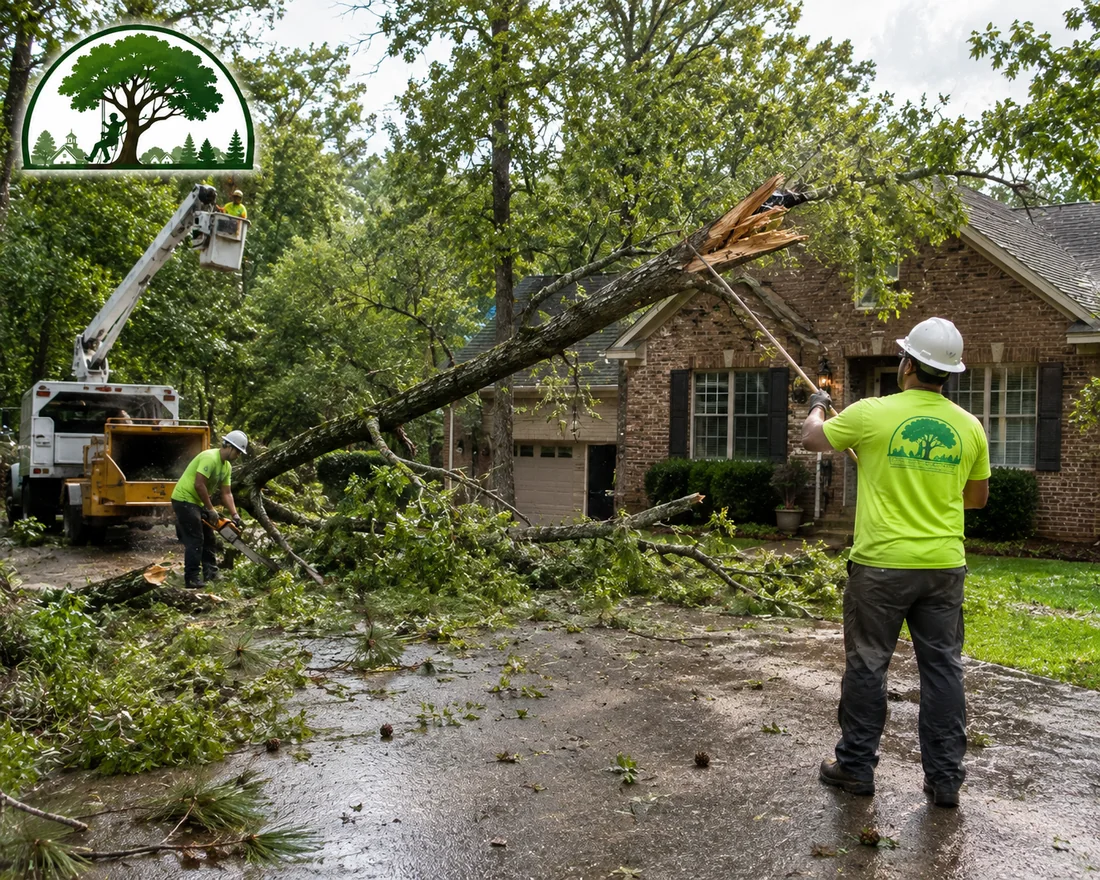
Leaning trees are common after storms, heavy wet snow, or prolonged rain that softens the ground. In many cases the roots hold firm and the tree recovers. In other cases the root system has torn, the trunk has cracked, or the soil has given way, and the tree becomes unstable. The difference between a harmless lean and a dangerous one comes down to root condition, trunk integrity, and what stands in the path if the tree falls.
Why trees lean and what it tells you
A lean is simply the angle of the trunk relative to the ground. Young trees planted on a windy slope often grow with a permanent lean and remain perfectly safe. Mature trees that have always leaned a little and show no new movement are usually fine. The danger appears when the lean has changed recently or is linked to damage underground or in the trunk.
Common causes of a new or worsening lean include:
- Root decay or root breakage. Fungus, insects, or repeated soil saturation can rot the roots that anchor the tree. Once the support system weakens, the weight of the crown pulls the tree over.
- Soil failure. Heavy rain or excavation near the tree can loosen the soil around the root ball. The roots may still be intact but have nothing firm to grip.
- Trunk cracks or splits. A crack that runs through the trunk near the base can cause the tree to tilt as the crack opens further under wind or weight.
- Crown imbalance. A tree that loses a major limb on one side or grows heavily to one side may lean as the remaining weight shifts.
None of these causes can be reversed on their own. Once a tree starts leaning from structural failure, it rarely straightens back. The question is whether the failure is stable or progressive.
Signs that a lean is dangerous
Fresh soil movement or raised roots
Walk around the base of the leaning tree after a rain or wind event. Look for cracked soil, a mound of lifted dirt on the side opposite the lean, or exposed roots that have pulled up from the ground. These signs mean the root system has moved, and the tree has less anchorage than it had before. A tree with fresh soil heave is at high risk of falling, especially in the next storm.
Trunk cracks or bark separation
Inspect the trunk from the ground up to about chest height. A vertical crack that runs along the lean side or a crack that extends through more than a third of the trunk diameter weakens the wood. Bark that has split open or peeled away near the base can also hide decay underneath. If you can see a hollow or punky wood inside a crack, the structural strength is compromised.
Deadwood and crown dieback
When a tree is under stress from root damage or trunk injury, it often starts shedding branches from the top or outer canopy. Large dead branches in the crown, thinning foliage, or leaves that are smaller than normal can indicate that the tree is struggling. A tree with significant crown dieback and a lean is more likely to fail because it lacks the energy to maintain healthy wood.
Fungal growth at the base or on the trunk
Mushrooms, conks, or brackets growing on the trunk near the ground or on exposed roots are a sign of advanced rot inside the tree. The fungus is digesting the wood, reducing its strength. If you see fruiting bodies on a leaning tree, the internal decay may be extensive enough that the tree cannot support itself.
Target area below the lean
Even a moderate lean becomes dangerous if the tree would hit a house, a car, a power line, a play area, or a frequently used walkway when it falls. The risk is not just the trunk but the whole crown, which can extend far beyond the lean direction. A tree that leans toward a structure and shows any of the signs above should be evaluated promptly.
What you can check yourself
A few simple observations can help you decide whether to call a professional. Stand far enough back to see the full tree and compare its lean to nearby trees of the same species. Look for a straight reference, such as a building corner or fence post, and check whether the lean has changed since you last noticed it. Old photos of your yard can be useful for comparison.
Test the soil around the base by pressing a screwdriver or metal rod into the ground. If it sinks easily into soft, wet soil several inches deep, the ground may be too loose to hold the roots. Probe gently near the root flare for any hollow spots that indicate decay. Do not dig aggressively or cut any roots.
Look up into the crown for hanging branches, cracked forks, or limbs that cross and rub. A tree that has a lean plus multiple other defects is a stronger candidate for removal than a tree that leans alone.
If you are unsure about the risk, the safest step is to ask for an on-site inspection. A trained arborist can measure the lean angle, sound the trunk for decay, and assess the root plate. They can also advise whether cabling, pruning, or removal is the right option. That type of expert advice is part of help with dangerous backyard trees that many homeowners need after a storm or when they buy a property with mature trees.
When removal is the right call
Not every leaning tree has to come down, but many do. Large tree removal becomes necessary when the tree is too big or too close to a structure for safe pruning or cabling to reduce the risk. A large tree that leans significantly and has root damage, trunk cracks, or advanced decay is unlikely to survive long even if it does not fall right away. The wood will continue to weaken, and the tree may fail in a light wind that would not normally cause damage.
Removal of a large leaning tree is a skilled job. The direction of the lean puts tension on the wood, and cutting it wrong can cause the tree to split or fall unpredictably. A professional crew uses rigging and controlled felling to bring the tree down in sections, avoiding the target area. That is why help with dangerous backyard trees should always come from trained operators who have the equipment to handle the weight and the angles safely.
What happens after removal
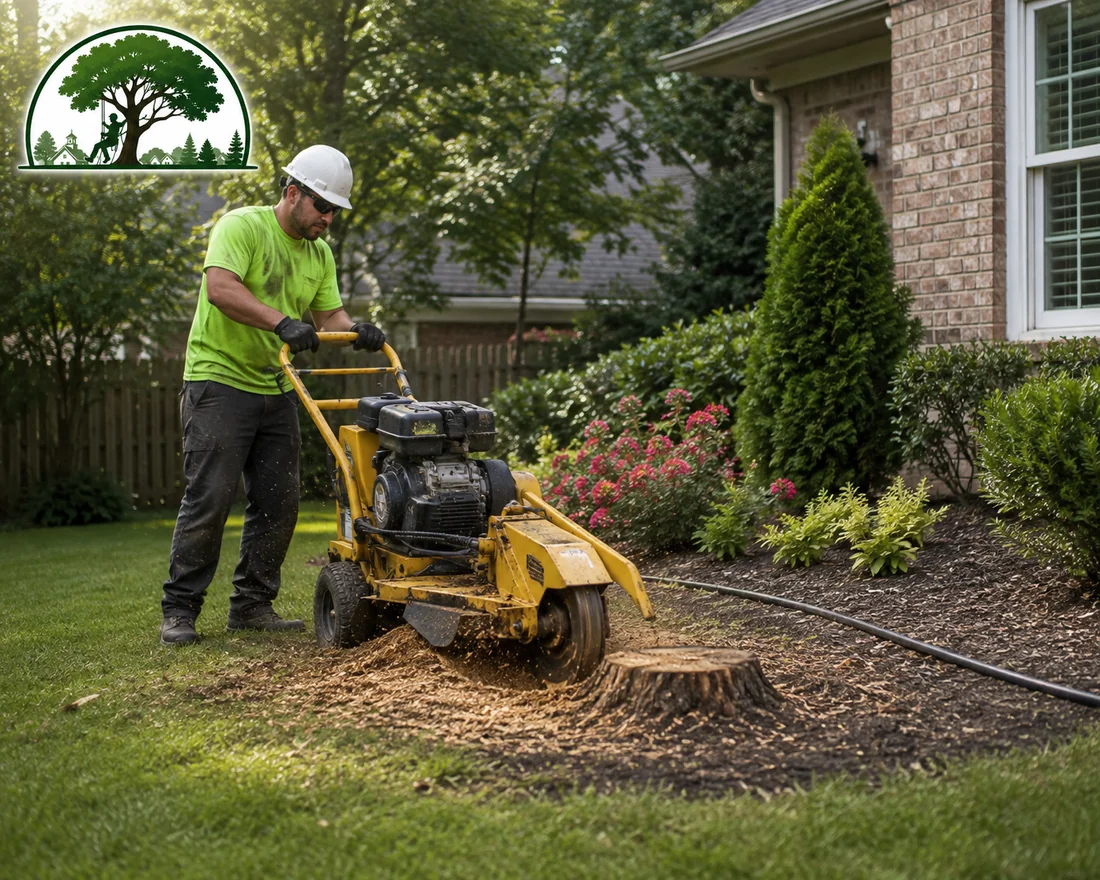
Once the tree is down, the stump can be ground below grade and the site graded and seeded. If the tree was close to the house, the area may need fill soil to level the ground where the root ball lifted. Debris removal is usually part of the service, so you are not left with piles of branches and logs to move yourself.
If you decide to plant a new tree in the same spot, wait until the old stump has been fully ground out and the soil has settled. Choose a species that fits the space and does not have the same vulnerability to root rot or wind throw that caused the original tree to lean.
Preventing future leans
Healthy trees are less likely to lean. Regular watering during dry spells, mulching around the base without piling mulch against the trunk, and avoiding soil compaction or excavation near the root zone all help maintain a strong root system. Pruning young trees to develop a balanced crown also reduces the leverage that wind exerts on the trunk.
After a storm, inspect your trees for new leans, cracks, or lifted roots before the next heavy rain. Catching a problem early gives you more options and keeps the tree from becoming an emergency. If you see a lean that worries you, do not wait for it to get worse. An assessment now can save you from a much larger cleanup later.